Acerola Extract · Siberian raw material · Irkutsk
Acerola Extract
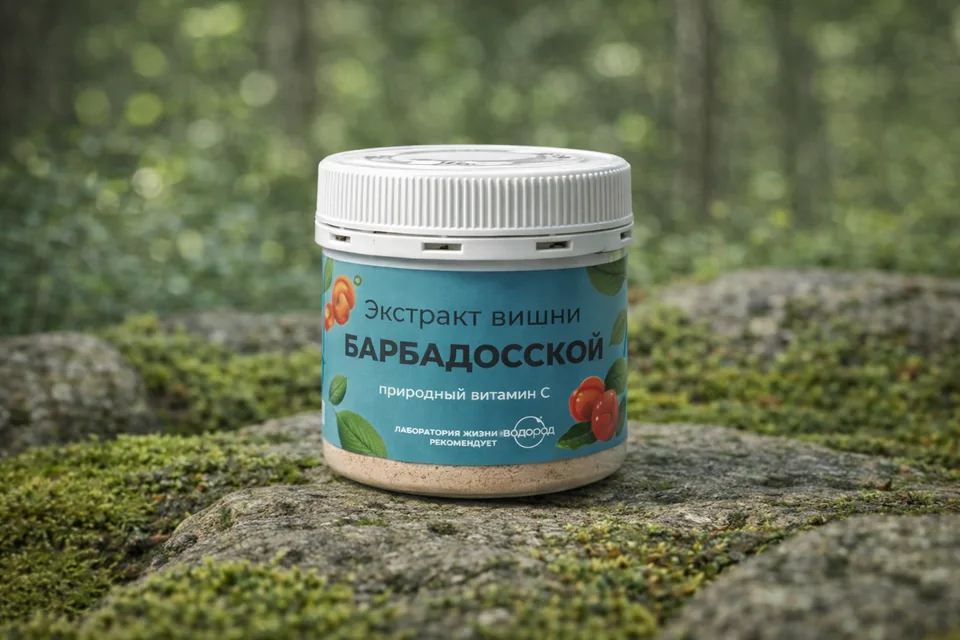
Powdered extract of acerola, also known as Barbados cherry.
Price
По запросу
Price depends on package, availability and delivery method. We confirm product, package, availability, price and pickup or delivery before payment.
About the product
Powdered extract of acerola, also known as Barbados cherry.
Acerola is used as a plant source of vitamin C. Check the vitamin content, full composition and serving size on the specific package. You can request details of the available batch before ordering.
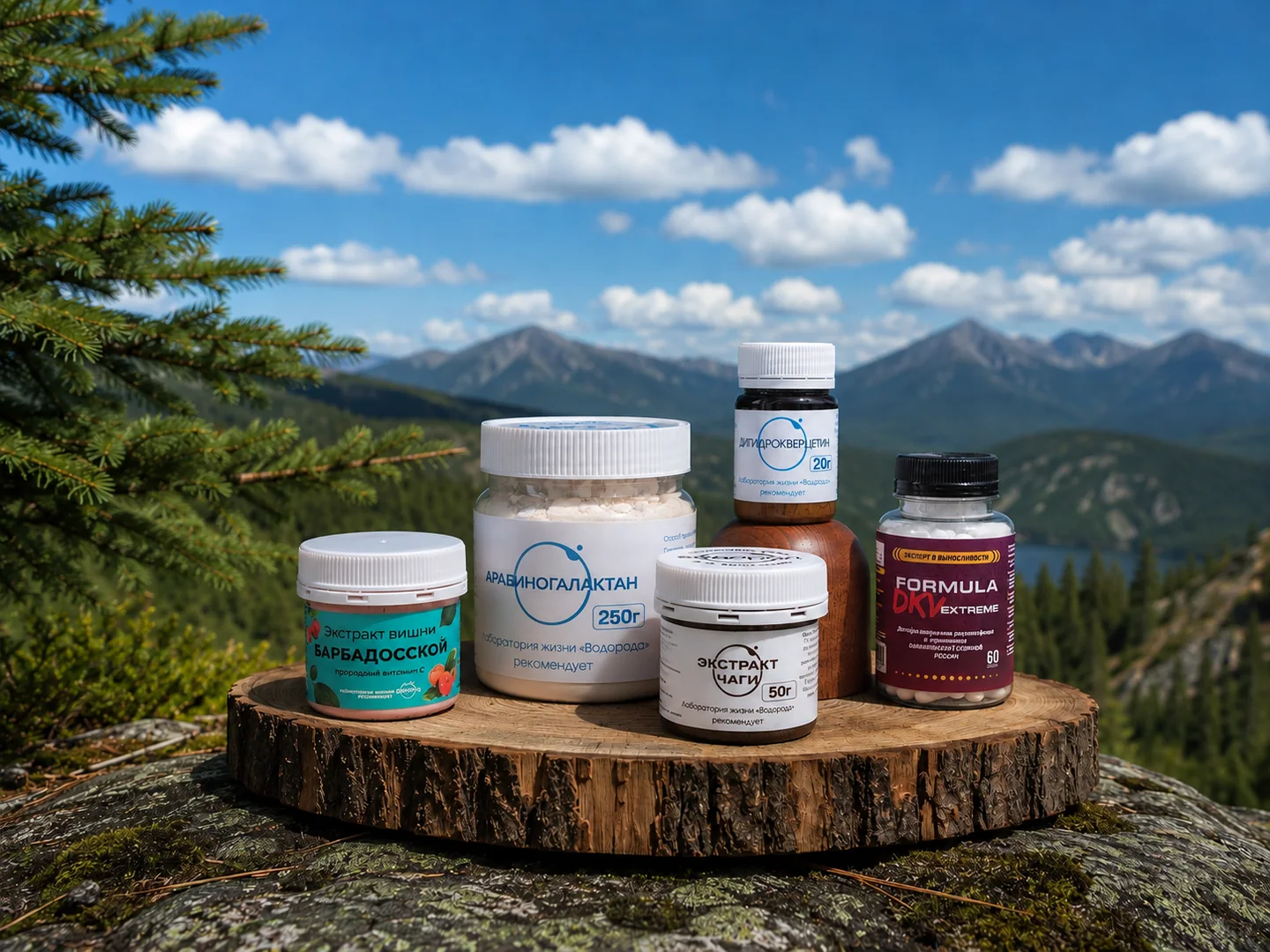
Source material, format and limitations are shown separately before ordering.
How to prepare
Follow the preparation and serving instructions on the package. Request a copy before use if you do not have them.
Reference publications
Use these sources as reference material; they are not medical instructions for use.
1
Vitamin C and Immune Function
Open source →Limitations
Not a medicinal product. Check ingredients and individual intolerances. Consult a qualified professional if you have a medical condition, take medication, are pregnant or are choosing a product for a child.
Questions
How do I check price and availability?
Add the product to your request. We confirm package, availability, total price and delivery or pickup before payment.
How do I use the product?
Follow the preparation and serving instructions on the package. Request a copy before use if you do not have them.
How can I request ingredients and documents?
Tell us which details you need in the comment. We will check information for the available package and batch before confirming your order.
This page is for reference only. Check composition, serving, preparation method and limitations against the package; discuss individual restrictions with a specialist if needed.
Need details about Acerola Extract?
Send a request — we will confirm availability, price, format, package and delivery method before payment.